Why Is My Hair Removal Routine Damaging My Skin?
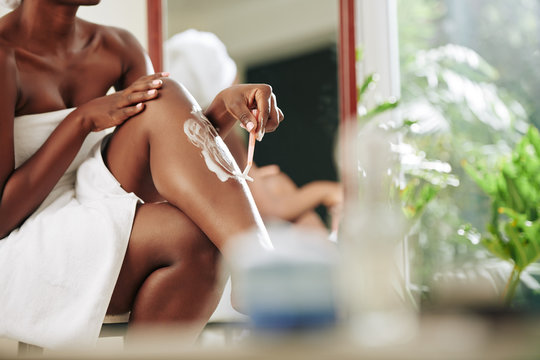
For many women (and men) dealing with PCOS, hirsutism, or simply stubborn body hair, hair removal can feel like a never-ending cycle. Wax today, irritation tomorrow. Shave in the morning, bumps by night. If your routine leaves you with more pain than confidence, it’s worth asking: Why is my skin reacting this way.
The truth is, not all hair removal methods are created equal, especially for melanin-rich and sensitive skin. Let’s break it down.
What causes facial and body hair in PCOS?
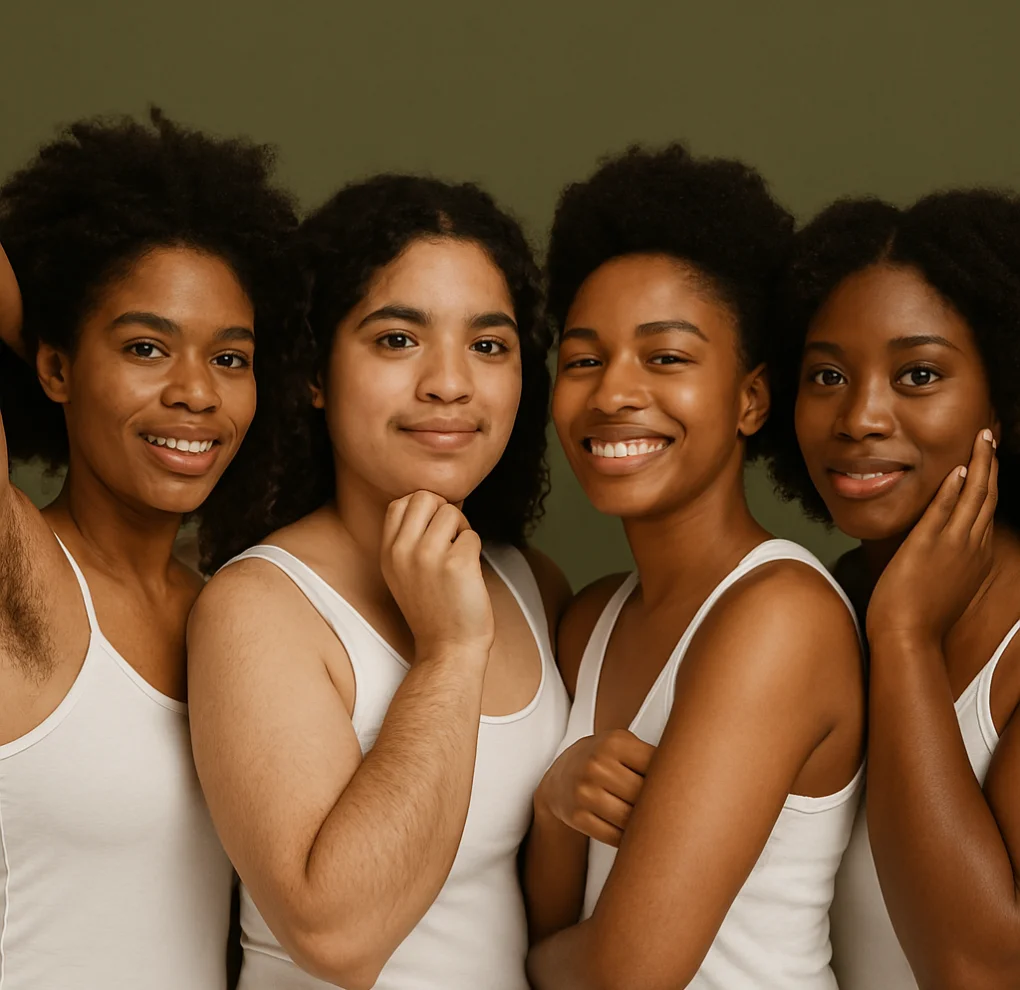
Polycystic Ovary Syndrome (PCOS) is one of the leading causes of hirsutism (excess hair growth in areas like the chin, chest, or stomach). It happens when androgen levels are higher than normal, triggering thick, coarse hair growth. About 70–80% of women with PCOS experience hirsutism, and often, traditional hair removal methods don’t account for the unique challenges of sensitive skin.
When does hair growth indicate a hormonal issue?
Some body hair is completely normal, but if you notice sudden or excessive growth, especially on the face, chest, or back, it may point to a hormonal imbalance like PCOS or thyroid-related issues. That’s why it’s important to pair hair removal with medical support and lifestyle care, instead of relying only on razors or wax strips.
What hair removal methods are safest for melanin-rich skin?
Here’s a quick comparison:
- Shaving/Waxing: Fast but often leads to bumps, hyperpigmentation, and ingrown hairs.
- Laser/IPL: Long-term solution, but riskier for darker skin tones due to burns or discolouration.
- Depilatory Creams: Quick and pain-free, but many sting or irritate sensitive skin.
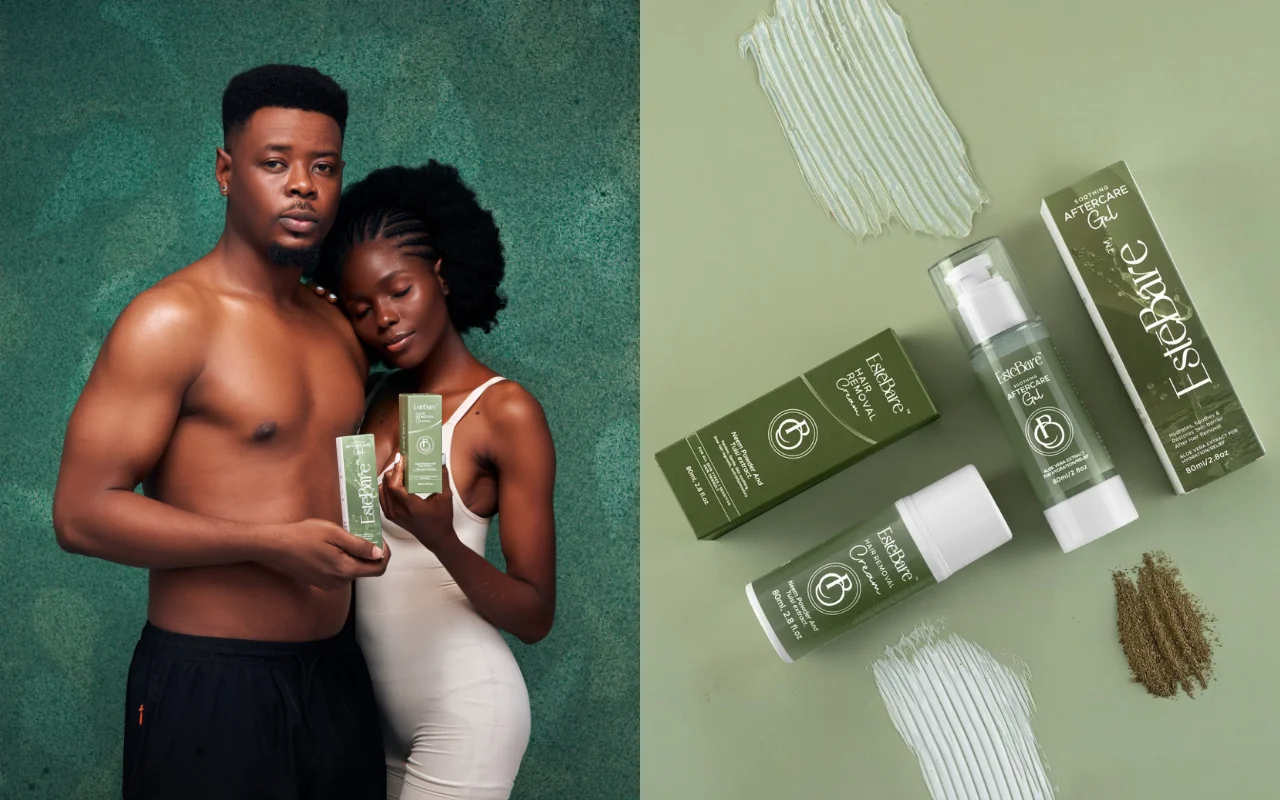
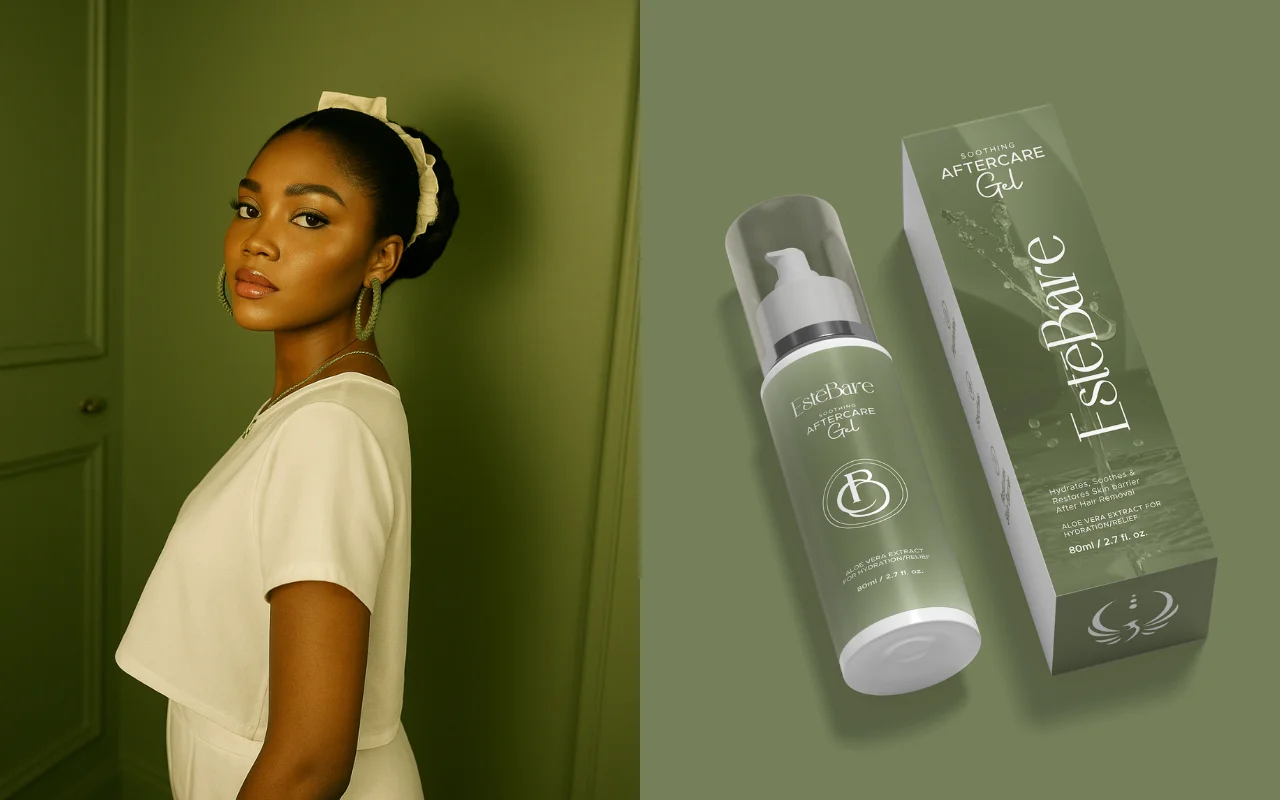
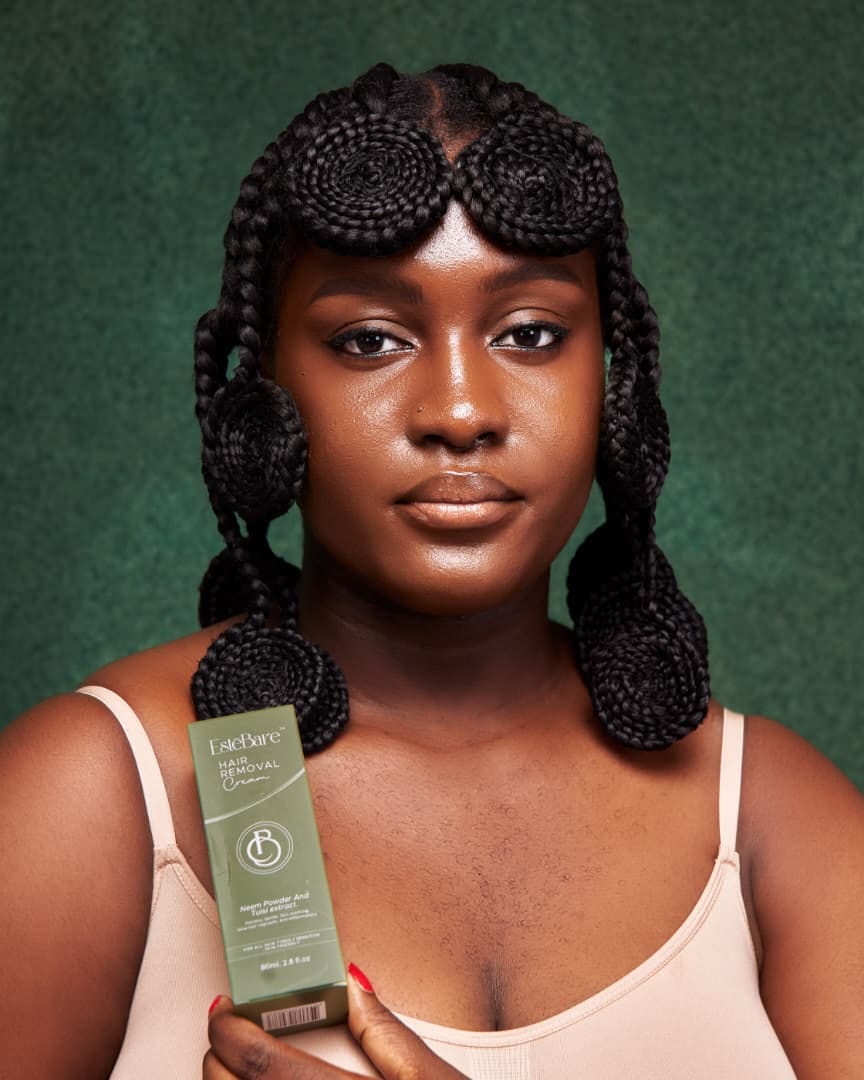
This is where EsteBare comes in. Our Hair Removal Cream + Aftercare Gel was created to be gentle, sting-free, and enriched with neem and tulsi to calm and protect melanin-rich skin.
Can diet and lifestyle help with hair growth?
Yes! Managing insulin resistance, balancing weight, and eating nutrient-rich foods can reduce androgen levels, which in turn may help slow down hair growth over time. Pairing lifestyle changes with the right hair removal routine makes a noticeable difference.
Do hormonal treatments help?
For some, doctors may prescribe oral contraceptives, anti-androgens like spironolactone, or other hormonal support. These don’t replace hair removal but can reduce the intensity of regrowth when used alongside safe external solutions.
Final Thoughts: Your Skin Deserves Better
If your current hair removal routine leaves you with burns, bumps, or shame, it’s not you; it’s the method. You deserve a routine that is gentle, effective, and made with your skin in mind.
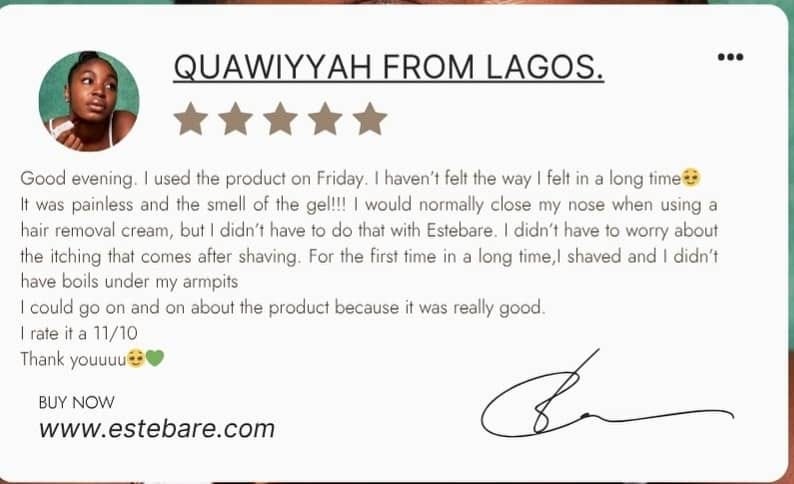
That’s why EsteBare exists: to give melanin-rich and sensitive skin the confidence of smooth, pain-free results without the side effects.